
If your leader isn’t (always) your best storyteller, then who is?
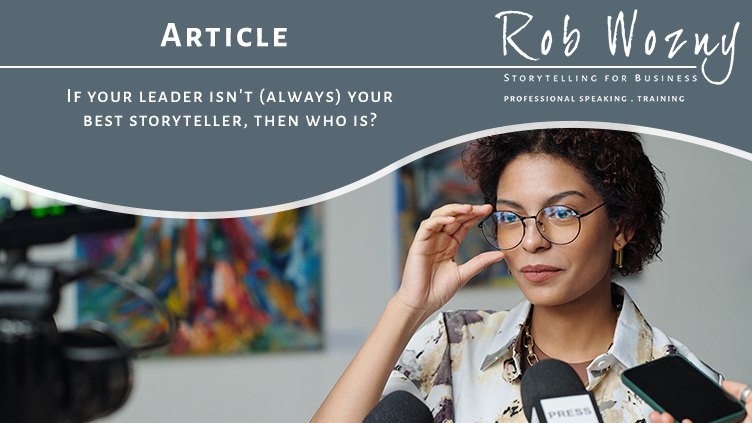
People don’t buy products or services in isolation — they buy because people influence them to act. That’s why organizational storytellers play a critical role in building trust, credibility, and connection. Choosing who represents your organization’s stories and messages is a strategic decision that directly impacts brand reputation and audience engagement.
For many businesses and organizations, the leader becomes the default storyteller or media spokesperson — particularly during crises or major announcements. That approach often makes sense. This feature, however, focuses on the ongoing, consistent practice of business storytelling and identifying the right voices to connect your organization with the audiences that matter most.
I explore this topic in greater depth in Chapter Six, People Power of Storytelling for Business, from The Art & Science of Creating Connection in the Digital Age. Below are key examples adapted for this web feature.
The real person
In every newsroom I worked in, securing the “real person” was the top priority. Journalists consistently seek authentic voices that bring credibility and human relevance to a story.
In business storytelling, a real person is someone directly impacted by your organization — a customer, client, or individual who has benefited from your product or service. Their lived experience builds trust and makes stories more relatable and compelling.
While journalists may not always accept offered sources, they strive to always include real people in content and media strategies. With newsroom cutbacks and increased workloads, reporters are now more likely to welcome credible, media-ready real people as part of their coverage.
The subject matter expert
Your organizational leader is a powerful champion, but no single person can speak to every aspect of the business. When stories require depth, accuracy, or technical insight, subject matter experts within your organization are often the best storytellers.
These individuals draw on years of specialized knowledge and hands-on experience. Their credibility comes from their work, not their title — and that authenticity cannot be replicated.
The volunteer
For non-profits and charitable organizations, volunteers are among the most effective storytellers. Few voices are more persuasive than those who willingly dedicate their time to support a cause.
Volunteer stories are rooted in belief, purpose, and lived experience. That passion resonates strongly with audiences and can inspire awareness, engagement, and action.
Media or on-camera training is a must
If you’re asking your key stakeholders to serve as your organization’s storytellers, make sure you invest in training them first before you showcase them with your content team and especially before they do any media interviews. When working with clients and their designated storytellers and spokespeople, our media training goes even further on not only the basics of interviews, but the intangibles such as handing nerves and what to wear.
If this content is helpful to you, sign up to my free newsletter for more…


